Juneteenth and Sandy Springs: Why Savannah's Story Matters Here
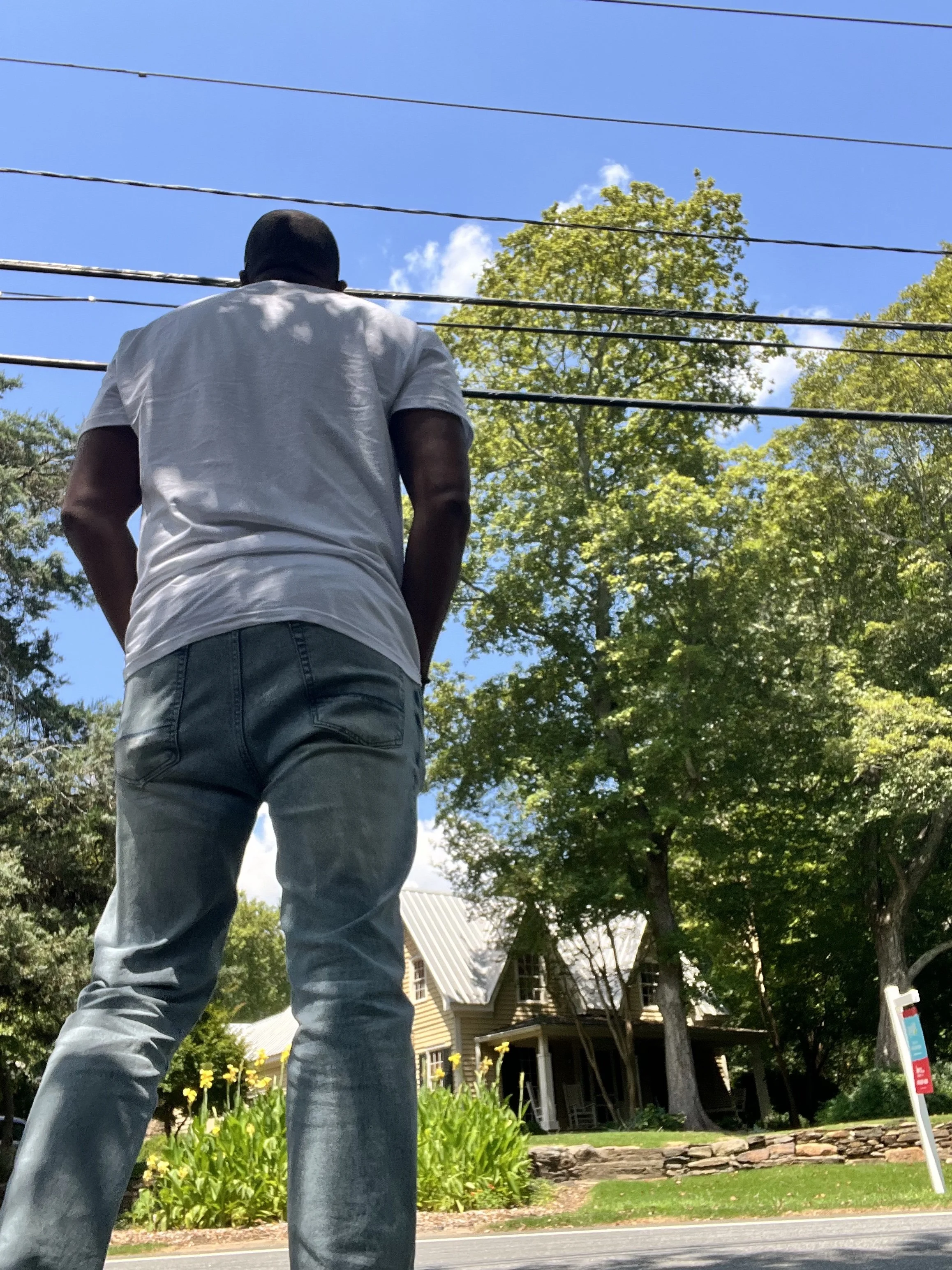
Dontaye Carter stands in front of the historic Woodall Farmhouse in Sandy Springs before its demolition, preserving a visual connection to the community's past.
When most people think about Juneteenth, they think about June 19, 1865, when Union troops arrived in Galveston, Texas, and announced that enslaved people were free.
But the road to freedom did not begin in Texas.
Dontaye Carter dives into the history of the Woodall House in Sandy Springs.
Five months earlier, in January 1865, General William T. Sherman met with twenty Black ministers in Savannah, then Georgia's former capital, to discuss what freedom would mean after slavery. The result was Special Field Orders No. 15, the order that became known as "40 acres and a mule."
It was one of the nation's first attempts to answer a question that still echoes today: What does freedom look like after generations of bondage?
The answer mattered in Savannah.
It also mattered here.
Long before Sandy Springs became a city, the land that now makes up our community was worked by enslaved men, women, and children. The farms, roads, churches, and families that shaped this area were all touched by the institution of slavery.
The same year Sherman met with Black ministers in Savannah, families across Georgia—including those living on the land that would become Sandy Springs—were experiencing emancipation, uncertainty, and the challenge of building a future in freedom.
Juneteenth reminds us that freedom was never a single moment. It was a journey.
That journey ran through Savannah.
It ran through Texas.
And it ran through North Fulton, where generations of Black families helped build communities despite enormous obstacles.
Today, we may not see the plantations, farms, or homes that once stood here. Many of the physical reminders are gone.
But the history remains.
Understanding that history is not about dwelling on the past. It is about honoring the people who endured it, recognizing the contributions they made, and ensuring that future generations know the full story of the community they call home.
Because a city that knows its history is better equipped to build its future.
Happy Juneteenth.
Watch more on the the journey to bring Juneteenth to Sandy Springs.
The first annual Juneteenth celebration in Sandy Springs brought neighbors, families, faith leaders, and community members together to honor freedom, reflect on our shared history, and celebrate the contributions of Black Americans.
Juneteenth commemorates June 19, 1865, when enslaved people in Texas finally learned they were free—more than two years after the Emancipation Proclamation. As our community gathered for this historic event, we recognized that freedom is not just a moment in history, but an ongoing commitment to learning, unity, and progress.
Thank you to everyone who helped make this celebration possible and to those who joined us in commemorating this important day.
#Juneteenth #SandySprings #JuneteenthSandySprings #Community #BlackHistory #FreedomDay #GeorgiaHistory
The Juneteenth Federation Mission Statement: Our Mission is to optimize synergies among the economic, cultural, and community resources of people of color, to absolve and highlight disparities that offend our birthright as legal citizens of the United States of America, and to facilitate tangible safe havens for economically disadvantaged children of color otherwise ostracized. History of Juneteenth: Juneteenth marks the end of the civil war and the end of chattel slavery in the United States of America. It is also known as Emancipation Day or Juneteenth Independence Day. The name "Juneteenth" references the date of the holiday, combining the words "June" and "nineteenth." On June 19, 1865, Major General Gordon Granger issued General Order No. 3, which informed the people of Texas that all enslaved people were free. The order was written two and a half years after President Abraham Lincoln’s historic Emancipation Proclamation. This order also informed the Country of the end of the U.S. Civil War. Nearly 200 years later, on June 19, 2021, five members of the Sandy Springs community joined to create the first Juneteenth celebration in Sandy Springs at City Springs. In less than ten days, Corey Waller, Megan Harris, Le’Dor Milteer, Councilwoman Dr. Melody Kelley, and Dontaye Carter attracted more than 700 people to the inaugural Juneteenth Celebration in Sandy Springs, which included historical and biblical lessons from local pastors, words of truth and inspiration from the Georgia NAACP President, acknowledgments of Black leaders in Sandy Springs, music, dancing, bouncy houses, booths for Black-owned business owners, and food trucks. After creating the inaugural Juneteenth Celebration, Mr. Carter, Ms. Milteer, Mr. Waller, and Ms. Harris formed the Juneteenth Federation to continue the commemoration of Juneteenth in Sandy Springs. The Georgia NAACP became the first fiscal sponsor of the Juneteenth Federation by agreeing to support the celebration for the next ten years. #SandySprings #Juneteenth #Juneteenth2023
The Juneteenth Federation hosted its community event in Sandy Springs this year at Sandy Springs Middle School. #Juneteenth #sandyspringsga #SandySprings #JuneteenthCelebration #TheJuneteenthFederation