
Ten Days Later: What This Election Taught Us — And Where We Go From Here
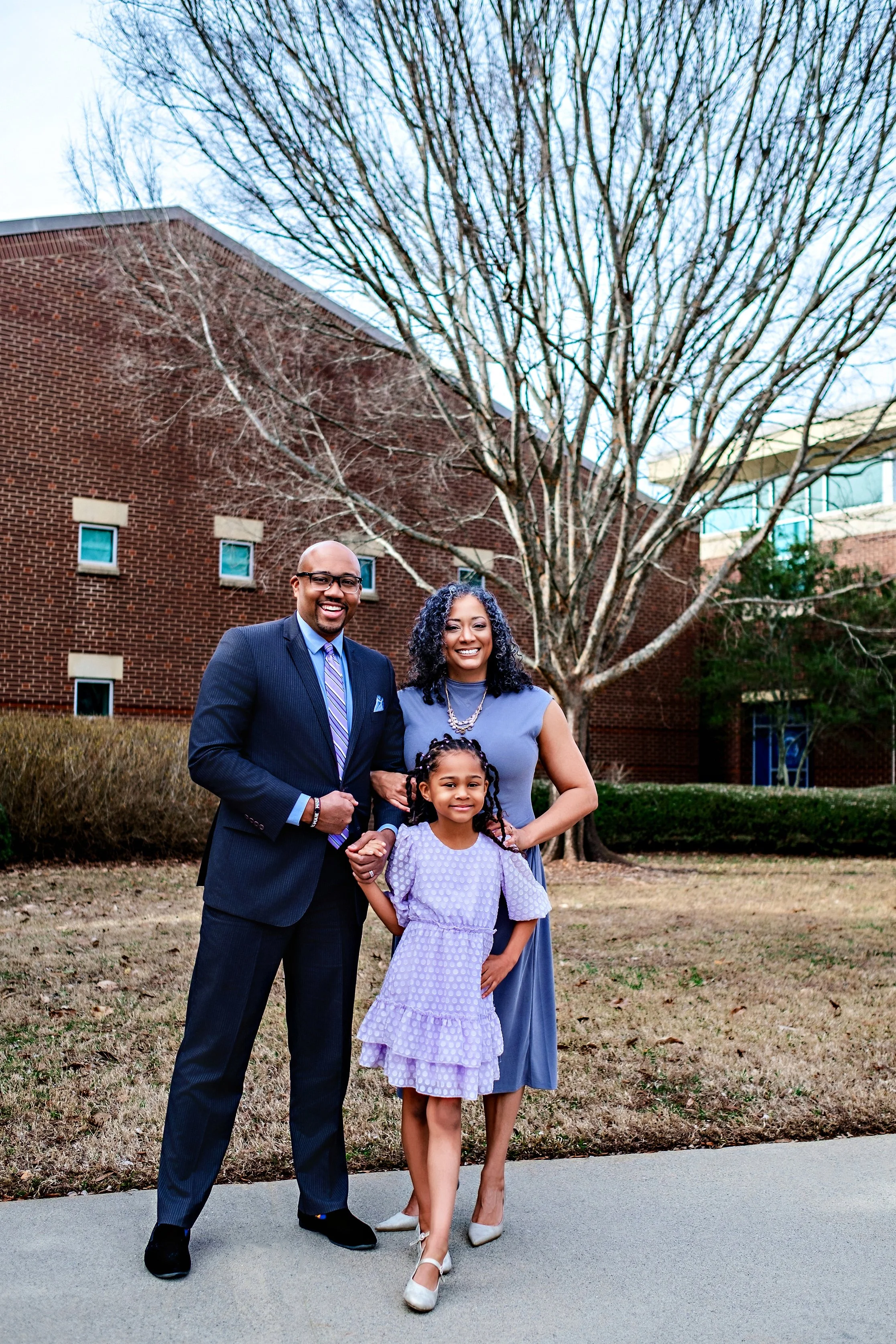
Ten days after the runoff, one truth stands firm: what we built together was bigger than a single election. We expanded who participates in local politics, elevated the real issues families face every day, and proved that community movements don’t vanish when the votes are counted.
Ten days have passed since the runoff, and I’ve had the space to process not just the results, but the journey that brought us here. Time has a way of sharpening what matters, and this moment is no different.
On Election Night, I said I was proud of the movement we built together. Ten days later, that pride has only deepened.
We activated new voters who had never participated in a local election.
We sparked conversations about affordability, mobility, housing, transparency, and dignity that too many families felt but had never seen reflected in city leadership.
We brought young voters, renters, working families, and new residents into a political process that had long moved without them.
Those weren’t campaign talking points — they were real shifts powered by real people.
To everyone who gave their time, energy, encouragement, donations, and belief: thank you. Your commitment changed what was possible in Sandy Springs. You helped expand who sees themselves in local government. And you reminded this city that community movements don’t disappear because of a single election result.
The night of the runoff, I reached out to Mayor Rusty Paul to congratulate him on his victory. I meant what I told him then and still mean it now: I look forward to bringing the ideas and concerns lifted up during this campaign into the broader conversation about our city’s future. Elections end. The work of building a better Sandy Springs does not.
These past ten days have reinforced something else:
This campaign wasn’t about me — it was about us.
It was about what happens when everyday people decide they deserve a voice in shaping their community.
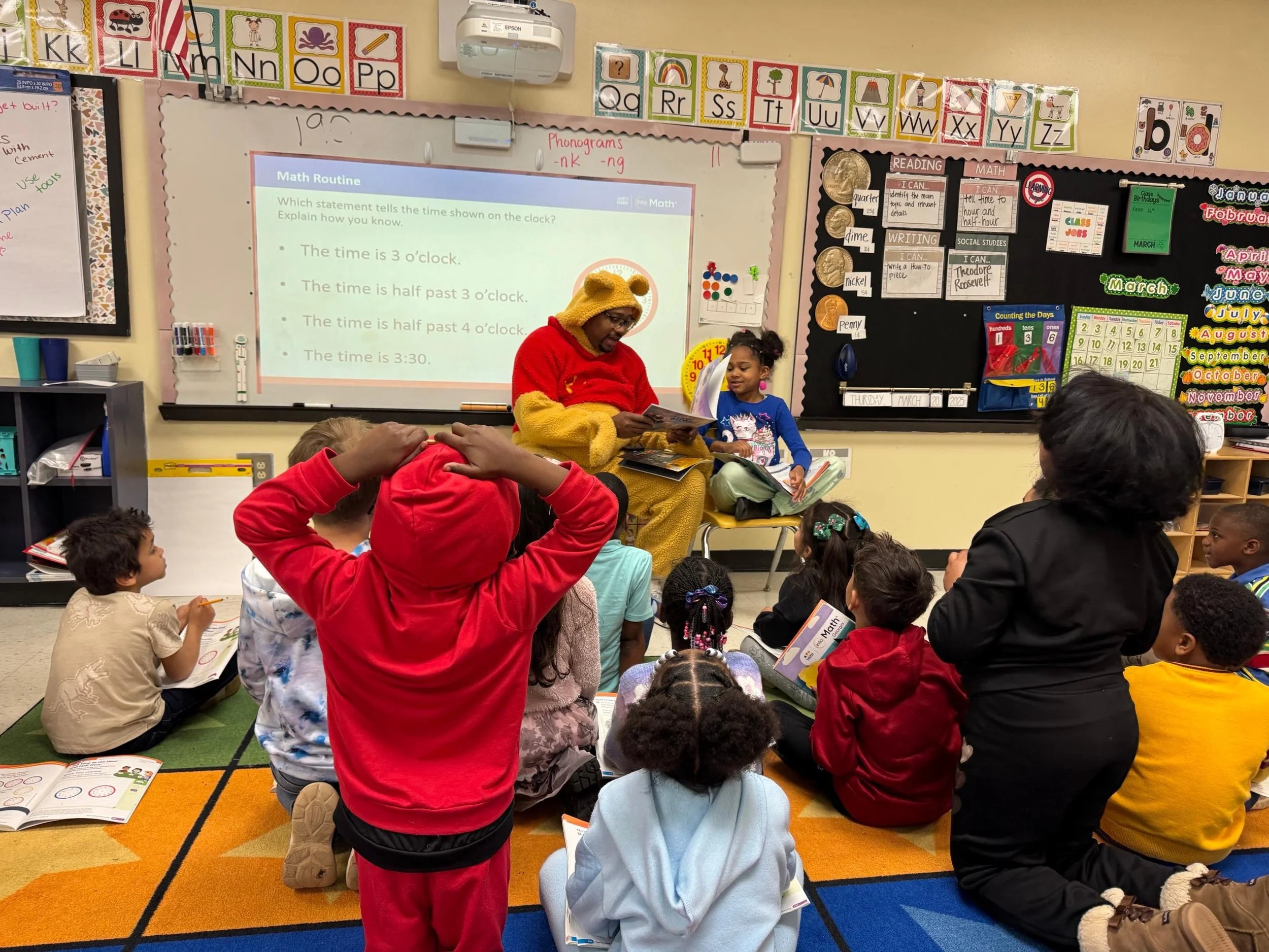
I’m still committed to that work. I’m still present in our schools, our neighborhoods, and our conversations about the future. I’m still mentoring our kids, advocating for families, and showing up where community happens — not because of politics, but because that’s who I am and who we are.
Ten days later, the story hasn’t closed. It’s evolving.
I hope you’ll stay engaged, stay hopeful, and keep raising your voice.
Sandy Springs is worth the effort, the vision, and the fight.
And I’m still here — ready for the next chapter.
A Sandy Springs That Families Can Afford
Sandy Springs families deserve relief. My plan lowers the millage rate so families pay less in property taxes — without cutting vital services like police and fire. At the same time, we’ll invest $5–10 million each year to make child care free for every family. Together, these changes mean parents can work, children can learn, and our whole city can thrive.
When I talk to neighbors in Sandy Springs, I hear the same worries over and over again: “It’s hard to keep up.” Rent is high. Groceries cost more. And the basics—child care, property taxes, and gas—take a bigger bite out of every paycheck.
That’s why I’m running on a plan to make Sandy Springs more affordable for working families.
Lowering the Millage Rate
The millage rate is the percentage that sets how much you pay in city property taxes. Right now, it’s too high for many families. By lowering it, we can put money back into the pockets of homeowners and renters (because lower taxes for landlords often mean less pressure to raise rent).
And here’s the good news: we can do this without cutting the services we depend on most. Lowering the millage rate doesn’t mean fewer police officers, fewer firefighters, or weaker city services. Sandy Springs has a strong tax base and a growing economy—we can give families a break and still keep our city safe, clean, and well-run.
Free Child Care in Sandy Springs
One of the biggest bills families face is child care. In Georgia, it often costs more than a year of college tuition. That’s not right.
I believe child care should be free for every family in Sandy Springs. Here’s how we get there:
Start with $5–10 million a year from the city budget for a “Sandy Springs Early Childhood Fund.”
Use that investment to pull in federal grants, state support, and foundation dollars.
Partner with employers and developers to match the city’s commitment.
Phase it in: first support low- and middle-income families, then expand to cover everyone.
Imagine what this means: parents who don’t have to choose between paying rent and paying for care, teachers who earn fair wages, and children who start school ready to succeed.
Why This Matters for Working Families
Think about a mom who works at the hospital. Right now, child care costs her $1,200 a month—almost another rent payment. Free child care would let her save for a home right here in Sandy Springs.
Think about a dad who drives MARTA buses. Lower property taxes mean he can keep his house, while free child care means his kids are safe and learning while he works.
Affordable taxes and free child care don’t just help one family—they help our whole city. Parents can work. Kids can learn. Businesses can hire and grow. And through it all, our police, fire, and emergency services stay strong, protecting every neighborhood.
Plain and Simple:
Lower the millage rate = lower taxes for families
Free child care = no more impossible choices for parents
Keep strong services = safe and thriving neighborhoods
Working families win, and so does Sandy Springs.
Our Future Together
This campaign isn’t about politics. It’s about people. If we build a Sandy Springs where families can afford to live, work, and raise their children, we’re building a city where everyone thrives.
That’s the vision. That’s the work. And that’s why I’m running for mayor.